Michelle Andrews

Staff Product Designer

I design systems and workflows that reduce decision overhead and help enterprise teams ship with clarity and confidence.

I work on complex, high-stakes products where teams struggle with scale, ambiguity, and competing constraints. My focus is on shared foundations, decision-support workflows, and AI-assisted tools that reduce rework, align teams, and make delivery more predictable.

I partner closely with product and engineering to turn unclear problem spaces into systems teams can rely on over time.

Enterprise SaaS Design systems AI workflows Decision support

Selected work

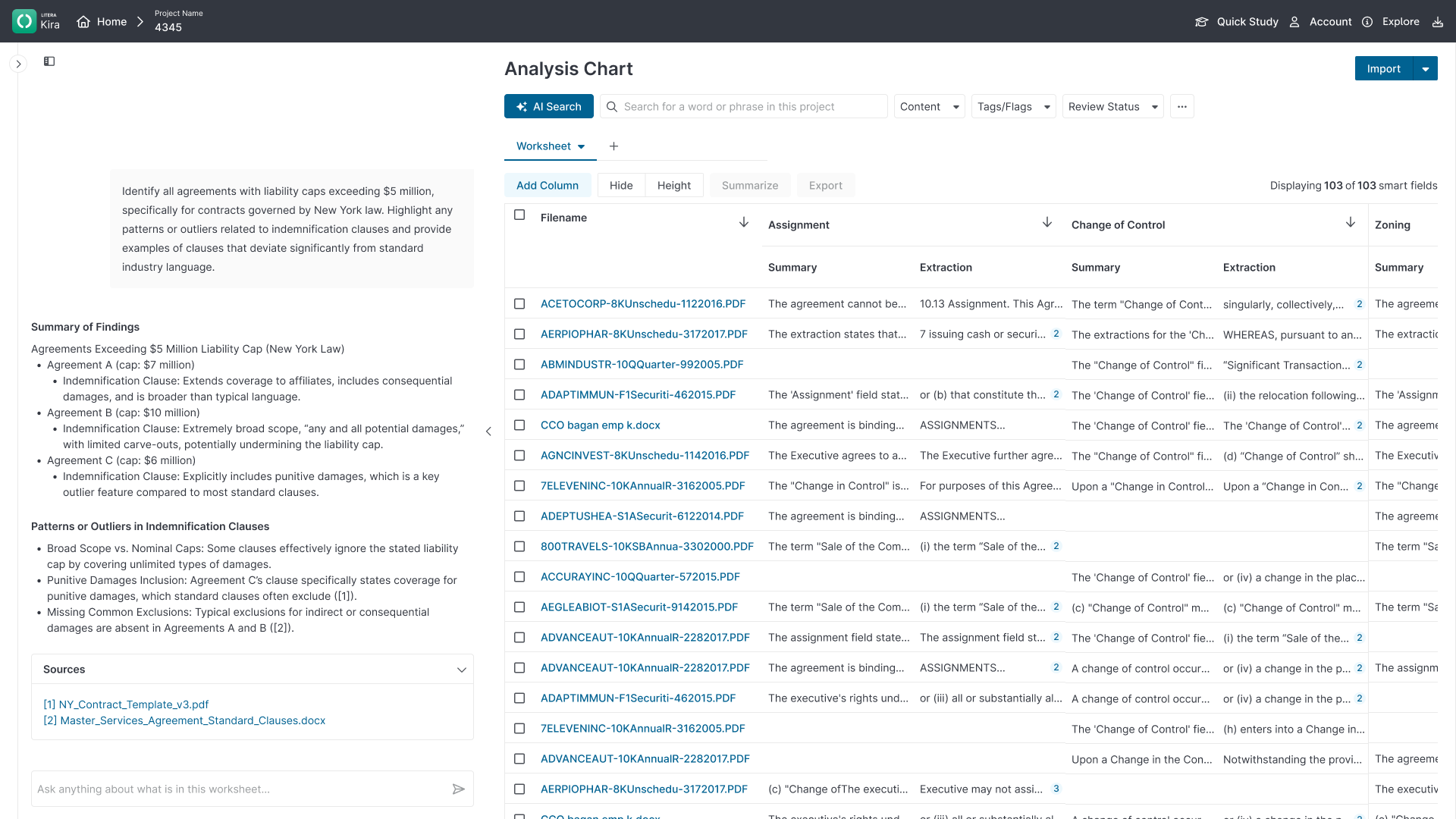
AI-driven document analysis platform
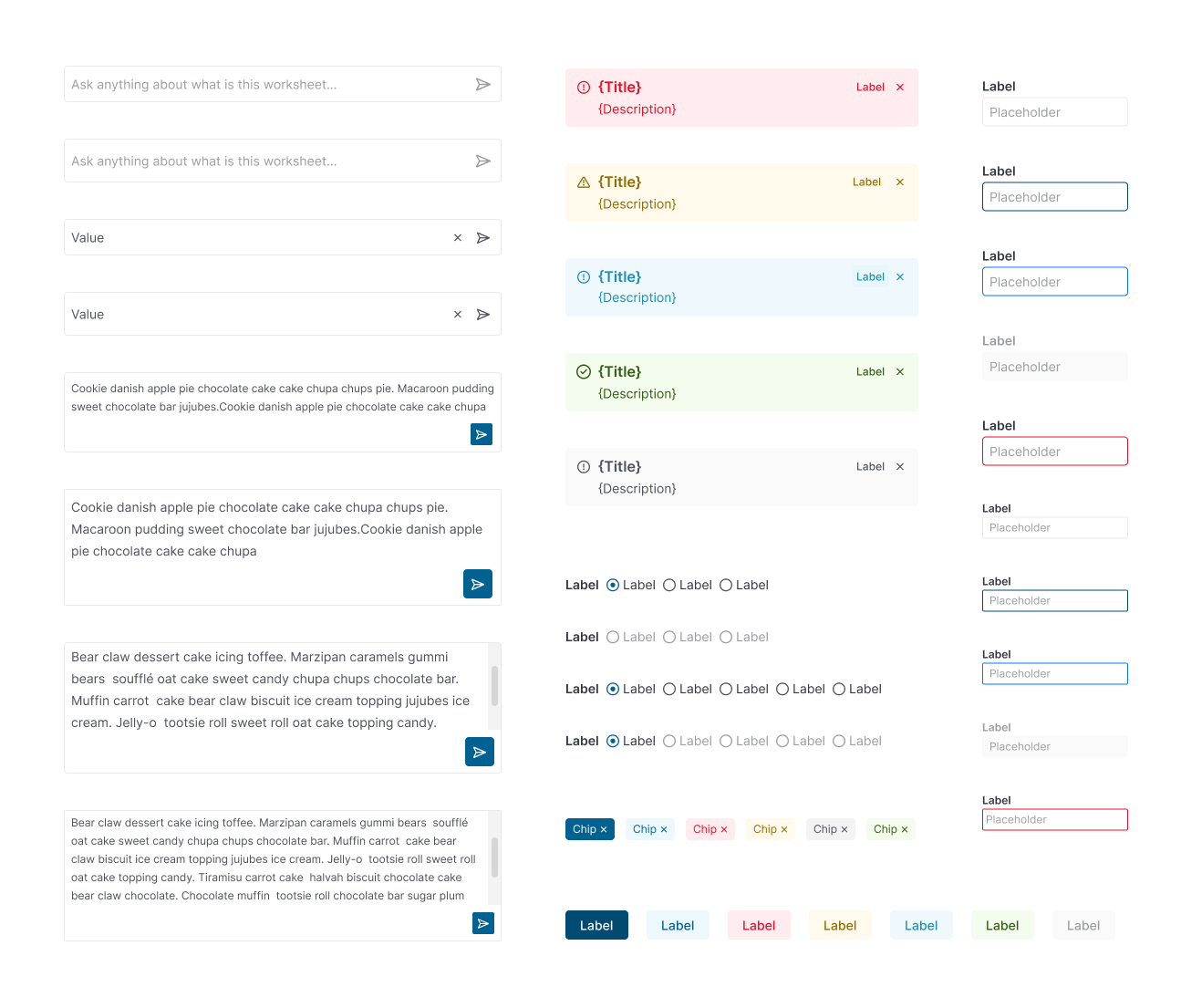
Multi-platform design system foundations

Multi-Platform Design System

Reduced decision churn and rework across 20+ products by establishing shared design foundations and governance that teams could adopt incrementally.

Impact

Reduced drift and rework by aligning design and engineering on shared foundations, governance, and adoption practices.

Key contributions

  • Defined core design foundations and patterns shared across products and platforms
  • Aligned design and engineering on system usage to reduce custom drift and rework
  • Established governance practices that balanced consistency with team autonomy
  • Supported incremental adoption by grounding the system in active product work
Text-only case study

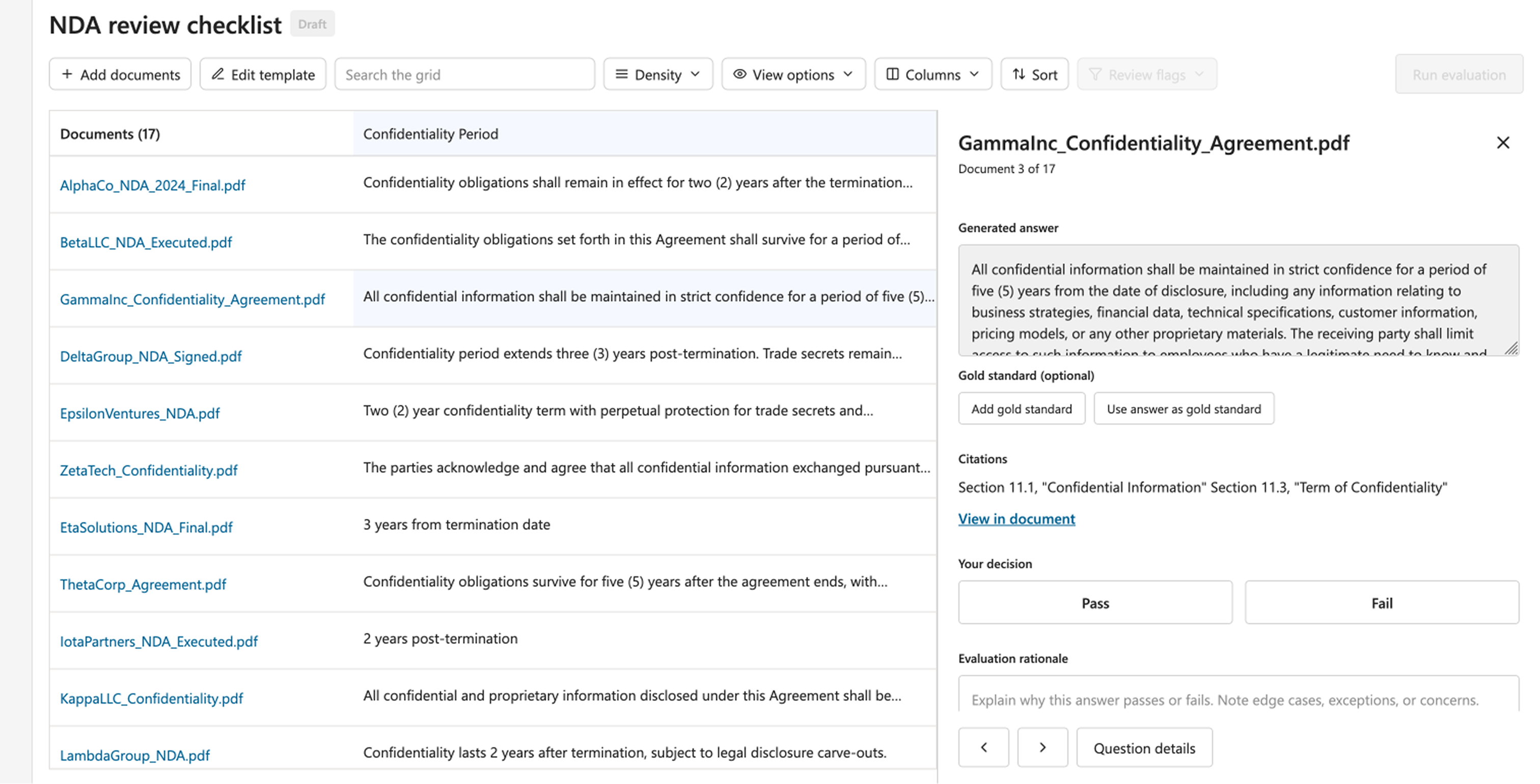
Supporting Expert Decision-Making Under Uncertainty

Designed workflows that help experts reason through ambiguity without over-relying on automation.

Impact

Prevented premature trust by separating AI output from judgment and gating automation until expert-reviewed context existed.

Key contributions

  • Structured review experiences to separate AI output from human judgment and final decisions
  • Made uncertainty, exceptions, and incomplete coverage visible rather than hidden behind confidence
  • Designed clear review states and thresholds to ensure expert intervention was intentional and well-timed
  • Prevented premature trust by gating suggestions and automation until sufficient human-reviewed context existed
Read case study →